
All About

Auctions

Best Practices from the Community

Bid-to-win fundraisers built on donated items - community baskets, retired gear, and experiences. How schools bolt an auction onto an event they already host and turn a crowd into money.
Auctions

Overview

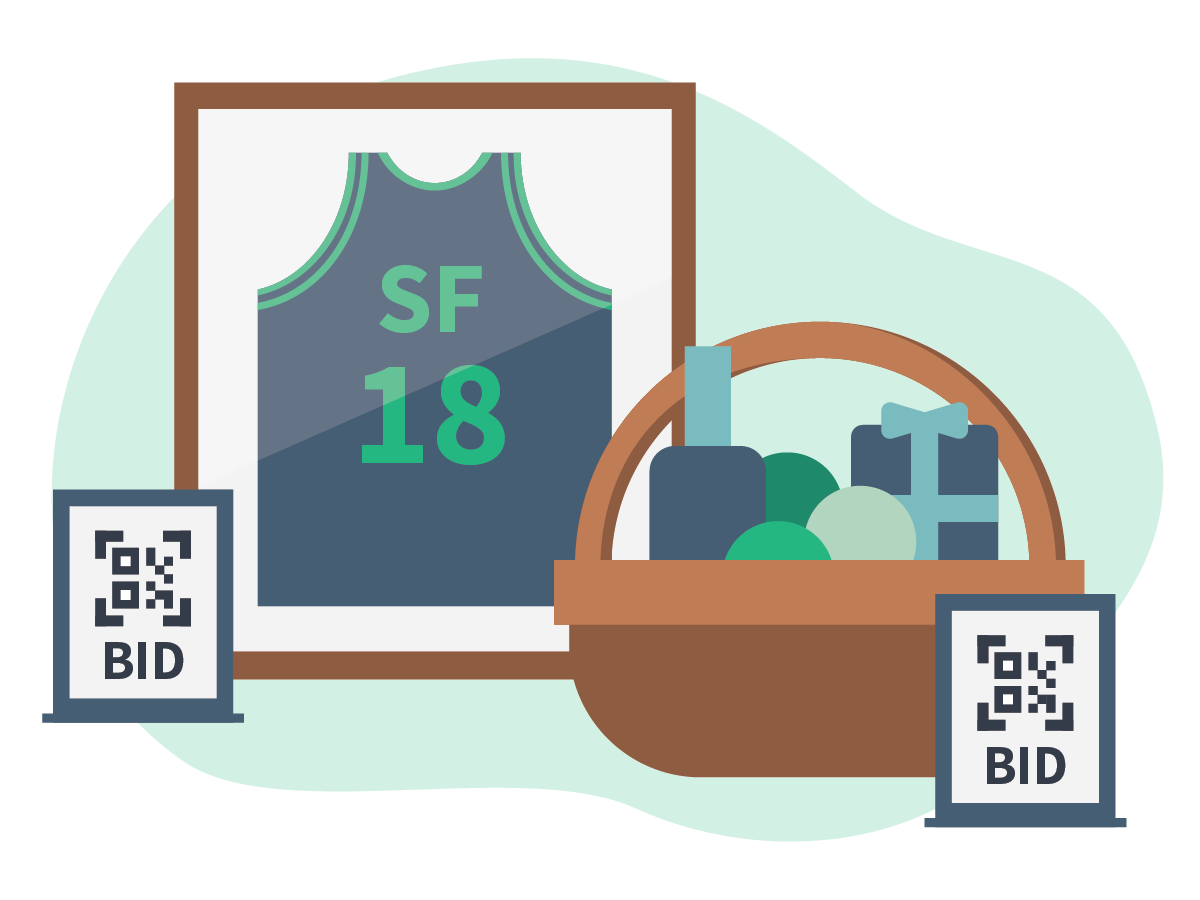
A school auction is a fundraiser where supporters bid on donated items, and the highest bid wins. Silent auctions are the most common school format: items sit on a table or online, supporters place bids over a set window, and the top bid at close takes the item. Schools, teams, and booster clubs use them to turn donated goods - community baskets, retired gear, experiences - into money without buying any inventory.

The format works because it pairs naturally with an event families already attend. A program can bolt an auction onto a spring game, a banquet, or a barbecue and raise money from a crowd that is already in the room. Because the items are usually donated by local businesses and team families, most of what gets bid goes straight to the program.

This page synthesizes what we hear from the coaches and booster clubs running these events. It accumulates over time as new interviews ship.

What we've learned

From the programs we've talked with that run auctions, including Heritage High School football - which added a silent auction to the end of spring ball and cleared close to $2,000 from an event that normally makes nothing:

  • Bolt it onto an event people already attend. Heritage ran the auction right after its spring game, while families were still in the stadium for the post-game barbecue. Nobody made a special trip, and parents stayed longer because of it.
  • A team mom, or a small parent crew, is the engine. Heritage's coach credited one connected team mom who gathered about 15 donated baskets from families and local businesses in roughly a month. Handing her the lead was the difference.
  • Donated items mean almost no cost. Community baskets, a retired helmet, a coach's polo, a family season pass, and a youth-academy package were all donated, and the food was a family potluck. With nothing bought, nearly every dollar bid was profit.
  • Retire-able gear is gold. A helmet the program could no longer use became a keepsake. The coach plans to have next year's team sign a helmet at the start of the season and auction it as a trophy, with old jerseys next.
  • Hybrid online-plus-paper works. Heritage put a few marquee items online and tallied the basket bids on paper sheets at the table, then entered the transactions afterward. You don't have to run the whole thing on phones.
  • The money is the smaller half of the win. The coach rated the camaraderie - parents reconnecting before the season, kids on the field, a player surprised with the helmet his parents won - as more valuable than the dollars. It doubled as a season kickoff.

Common patterns

What we see in the auctions that work:

  • A host event that already has a crowd. Heritage attached the auction to its spring game and end-of-spring barbecue, so attendance and a relaxed, captive audience came for free.
  • One empowered volunteer leading procurement. A parent who is connected in the community can gather far more donated items than a coach juggling AD, teaching, and coaching duties. Hand off the lead and get out of the way.
  • A mix of one-of-a-kind items and everyday baskets. Retired or signed gear and experiences draw the big bids; donated baskets give everyone something affordable to win.
  • A clear close tied to the event. Bidding ends at a set moment during the gathering, which concentrates the action and gives the night a finish line.
  • An early start when you can. Posting marquee items online weeks ahead builds momentum and lets supporters who can't attend - the grandparent two states away - still bid and win.
  • A low-stakes moment. A spring game where no one minds who wins keeps the mood light; running an auction after a high-stakes regular-season game risks the result souring the room.

Common mistakes

What trips programs up:

  • Trying to run it solo. Coaches who won't hand procurement to a parent cap the event at what one overstretched person can do. Heritage's coach was explicit that giving up some control to his team mom was what made it work.
  • Going fully online without checking the Wi-Fi. Heritage's one hiccup was connectivity; because only three items were online and the rest were on paper, it didn't hurt. If you run everything on phones, confirm the venue has a solid wireless connection first.
  • Waiting until the last minute to gather items. Heritage gave its team mom about a month of real outreach to local businesses and families. Compress that and you get four baskets instead of fifteen.
  • Treating it as money-only. The programs that repeat it lean into the community side - food, families, kids on the field - because that is what makes people show up and stay.
  • Not promoting early. If the only chance to bid is the day of, you miss everyone who isn't in the room. Opening bidding ahead of the event widens the pool.

Questions organizers ask

What should we auction?
Whatever's donated or retire-able. Heritage auctioned a helmet it could no longer use, a coach's polo, a family season pass, a youth-academy package, and about 15 community baskets. Signed or retired gear and experiences pull the biggest bids.

Do we have to buy anything?
No. The whole point is donated goods. Heritage bought nothing - baskets came from families and local businesses, the food was a potluck - so nearly everything bid was profit.

How long does it take to plan?
Heritage ran on about three months from idea to event, with the real push - business outreach and basket-gathering - in the final month. A month of focused procurement landed 15 baskets.

Who actually runs it?
A team mom or small parent crew handles procurement and setup; the coach brings the idea and approves the plan. Heritage kept its assistant coaches on football and leaned on one connected parent to lead.

Can people bid online, or does it have to be in person?
Either, and hybrid is common. Heritage put marquee items online and tallied baskets on paper. Running items online early also lets supporters who can't attend bid and win remotely.

How much can a school auction raise?
It varies with the crowd and the items. Heritage cleared close to $2,000 from a single post-spring-game event that previously raised nothing - and rated the family turnout as worth even more than the dollars.

When's the best time to hold one?
Attach it to an event families already attend, ideally a low-stakes one. Heritage tacked it onto the spring game and barbecue; a spring scrimmage keeps the mood light in a way an after-a-loss regular-season game can't.

Learn from real campaigns

No items found.

Running an Auction this Year?

Learn How SuccessFund Helps You

Learn More